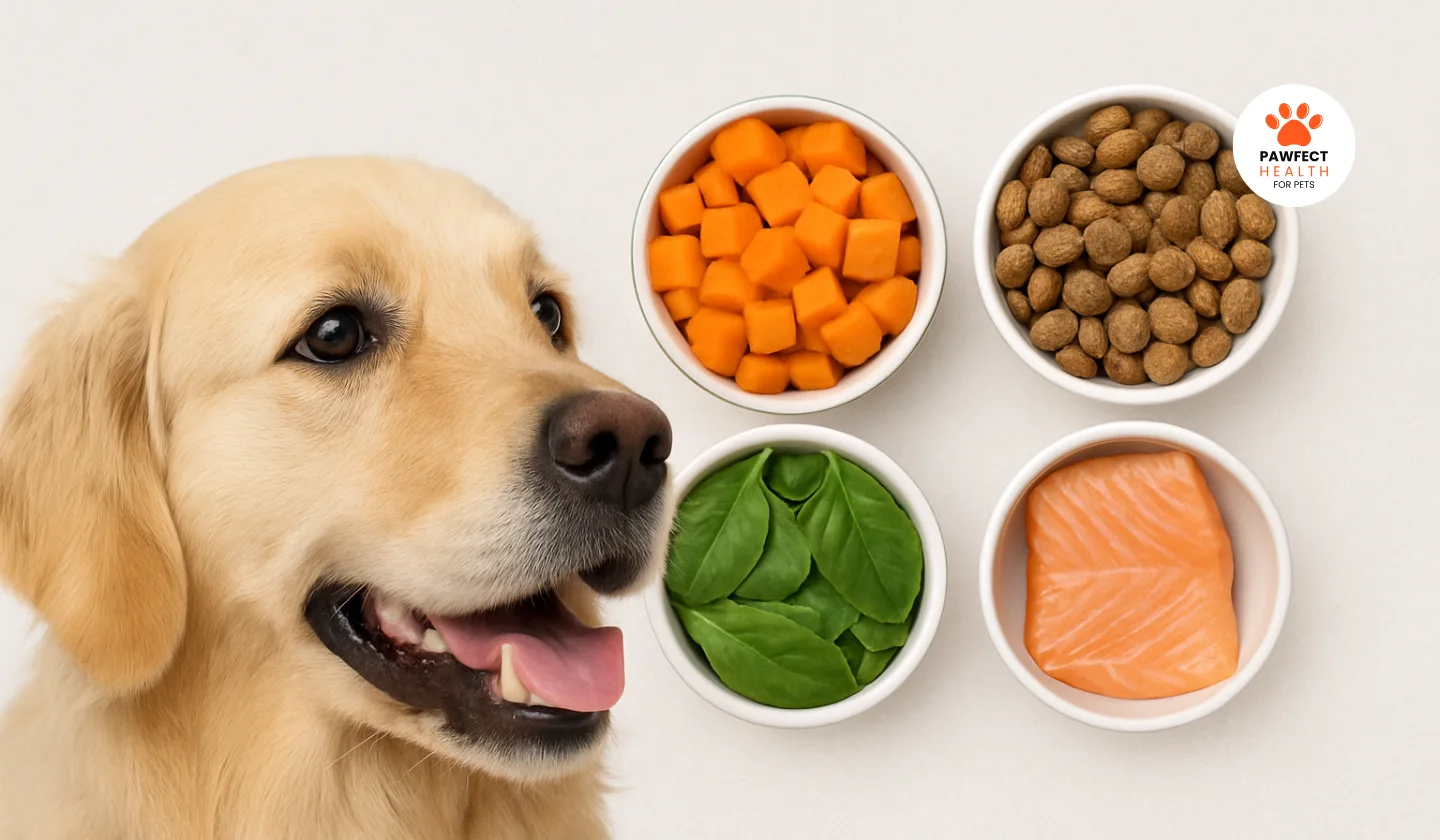
Feeding your dog in a way that supports hips and joints is a smart move and the outcomes can be noticed. There has been a lot of research to prove that some natural foods and nutrients lower the inflammation, help the repair of the cartilage, and increase the movement of dogs with joint issues.
The most effective ones are the omega-3 fatty acids rich food groups like fatty fish. They deliver a very potent anti-inflammatory effect and this is the reason why joint pain and stiffness are alleviated.
Some of the substances, such as green lipped mussels, contain glucosamine and chondroitin which are the main components of a healthy cartilage. Vitamin C and E, which are in vegetables and fruits, are antioxidants that protect the joint tissues from getting injured. Thus, all these nutrients are the ones which not only keep the joints strong but also reduce the pain.
Why Joint Health is Important for Dogs
- Poor joint health can lead to pain, stiffness, decreased activity, and reduced quality of life
- Healthy joints are essential for mobility, play, and overall well-being
- Natural diet plays a critical role in managing inflammation, supporting cartilage repair, and maintaining joint lubrication
Joint issues are the root cause of a painful, stiff and inactive lifestyle in many dogs. Close to 40% of dogs will develop arthritis in their lifespan. Poor joint health is the main reason behind a dog’s inability to move in a comfortable way and carry out the daily activities which he is used to. Healthy joints are the basic requirement for both mobility and general health.
Nutrition is the main factor that keeps joints healthy. A naturally balanced diet that is full of anti-inflammatory nutrients is a great way to control joint inflammation and to provide support for cartilage repair.
Moreover, these nutrients help maintain the lubrication that makes joints not only flexible but also painless. By helping your dog’s joints through the correct diet, you can be sure that his discomfort will be kept at bay and his life will be of better quality.
Key Natural Foods for Joint Support
- Green-lipped Mussels:
Rich in omega-3s, glucosamine, and chondroitin for reducing inflammation and supporting cartilage - Turmeric:
Contains curcumin, a potent anti-inflammatory compound that helps relieve joint pain - Ginger:
Natural anti-inflammatory and antioxidant benefits for joint comfort - Oily Fish (salmon, sardines):
High in omega-3 fatty acids to reduce joint pain and stiffness - Bone Broth:
Provides collagen and minerals necessary for joint and bone repair - Vegetables and Fruits (sweet potatoes, broccoli, blueberries, pumpkin):
Supply antioxidants, vitamins, and fiber to promote cartilage health - Lean Meats and Whole Grains:
High-quality protein and fiber to support muscle repair and joint function
Providing the correct nutrition is the first step in joint care for your dog. Many natural foods have ingredients that are scientifically proven to calm inflammation and nourish the cartilage.
Green-lipped Mussels
One of the best sources of omega-3 fatty acids, glucosamine, and chondroitin are these mussels. They help to reduce joint inflammation and assist in cartilage repair. The research evidences that, they are capable of making the movement easy and lowering the pain in dogs with arthritis.
Turmeric
Besides being a powerful anti-inflammatory agent, Turmeric is made up of curcumin which is beneficial in managing joint pain and swelling. A number of studies indicate that dogs receiving turmeric experience improved comfort of joints and lack of side effects.
Ginger
Ginger is a natural source of antioxidant and anti-inflammatory properties. It abates joint stiffness and through general joint health it yields.
Oily Fish (Salmon, Sardines)
Oily fish are good sources of omega-3 fatty acids EPA and DHA, which have the effect of alleviating joint pain and rejuvenating the cartilage. The feeding of fish or fish oil supplement is a good practice to maintain joint flexibility and alleviate joint inflammation.
Vegetables and Fruits (Sweet Potatoes, Broccoli, Blueberries, Pumpkin)
These foods are loaded with antioxidants, vitamins, and fiber which help to shield the joints against harm and supply the basic nutrients required for the development of cartilage.
Lean Meats and Whole Grains
The proteins from the meats are good for the muscles and joints and thus the function is helped while the whole grains energize and give fiber which is beneficial for overall health.
The incorporation of such foods into your dog’s diet is an all-natural, science-backed and experience-based way to be sure that the joints are properly taken care of.
How These Foods Help Natural Joint Health
- Reduce inflammation and oxidative stress
- Support cartilage synthesis and joint lubrication
Aid in weight management to reduce joint strain
The correct foods not only give energy to the body but also keep your dog’s joints safe in many different and strong ways:
Inflammation and Oxidative Stress are Reduced
Inflammation which lasts for a long time is one of the factors that causes joint damage. Organic foods full of antioxidants such as blueberries, broccoli, and turmeric can resist oxidative stress and lower inflammation. Researchers on the subject testify that antioxidants neutralize free radicals that are the main agents of damage to cells in the joint and this process leads to pain alleviation.
Provide the Substances for the Cartilage and the Lubrication of the Joints
Nutrients like glucosamine and chondroitin furnished by green-lipped mussels facilitate the process of cartilage repair and also keep the synovial fluid which is the lubricant of joints. Collagen obtained from bone broth is the material which helps the unit become more flexible and less wearing.
Help through Weight Control so that the Joints are not Overburdened
Weight control that is done in the right way will be a great help in the elimination of hip and joint pains caused by the pressure. Vegetables that are rich in dietary fiber and proteins that are low in fat are weight friendly food and through this, they can eat a balanced diet without having to take in too many calories. The slowing of joint destruction as a result of effective weight control and the enhancing of the patient’s freedom of movement.
Practical Tips for Feeding
- Introduce foods gradually and monitor for tolerance
- Balance between protein, fats, and carbohydrates for optimal health
- Consult with a vet for dietary planning and allergies
- If you want to feed a dog with joint problems, it is a very nice and empathetic gesture. The very first thing to do should be a gradual and careful introduction of new food so as not to have digestive problems of any kind. What’s more, drastic changes in diet can lead to intolerances or allergies, so test the food of your dog and if you see that he keeps eating the same food for several days, then it is necessary.
- The right means to guarantee that your dog is following a proper diet is to have the appropriate ratio of proteins, fats, and carbohydrates in the food. Proteins are a must for the muscles and joints, at the same time, good fats like omega-3 have anti-inflammatory effects. Carbohydrates from veggies and whole grains will supply the dog with the necessary energy and fiber.
- If you are planning to change the diet drastically, then you should always talk to the vet first. Besides giving a diet that supports the joints and meets the health needs of your dog, vets can also help in the process of diagnosing allergies and sensitivities.
When Food Isn’t Enough
Sometimes, a dog’s joint pain issue may not be solved by food alone. In this case, first-class dietary supplements containing glucosamine, chondroitin, omega-3 fatty acids, and antioxidants might be the solution. Several clinical trials have found these components to bring down the inflammatory process and to rebuild the cartilage, thus a fresher motility and lesser pain follow.
Substantially, you get relief for your dog with our vet approved natural supplement for dogs from Pawfect Health. It supports joint health and daily movement. If you need help choosing the right option, our team offers personal guidance. You contact us or call at 0428 079 390.
Conclusion
Supporting your dog’s hip and joint health naturally through a balanced diet is essential for maintaining mobility and comfort. Nutrient-rich foods that reduce inflammation and support cartilage repair provide the foundation for joint care. When combined with high-quality supplements as needed, this approach helps promote a more active, happier life for your dog. Proper nutrition and supplementation work hand-in-hand to preserve joint function and improve overall quality of life.
Frequently Asked Questions
How long does it take to see results from joint-friendly diets?
Dogs typically show improved mobility and reduced stiffness within a few weeks to a few months of consistent dietary changes.
Can joint supplements replace a healthy diet?
No, supplements should complement a balanced diet and not replace nutritious foods that support overall joint and body health.
Are joint supplements safe for all dog breeds and ages?
Most supplements are safe, but consulting your vet is important to tailor dosages and ingredients to your dog’s specific needs.
How do I introduce new joint-supportive foods to my dog?
Introduce foods gradually over 5-7 days while monitoring for allergies or digestive issues to ensure tolerance.
What signs indicate my dog may need joint supplements?
Signs include stiffness, reluctance to move, limping, and difficulty climbing stairs, especially in older dogs.
Can weight management improve joint health?
Yes, maintaining a healthy weight reduces strain on joints and slows joint degradation.
When should I consult a veterinarian about my dog’s joint health?
If you notice persistent joint pain, decreased mobility, or if considering supplements, a vet can provide diagnosis and tailored treatment plans.